In my opinion, I go back to the notion that blockchain in general feels like its Microsoft in search of Windows 95.
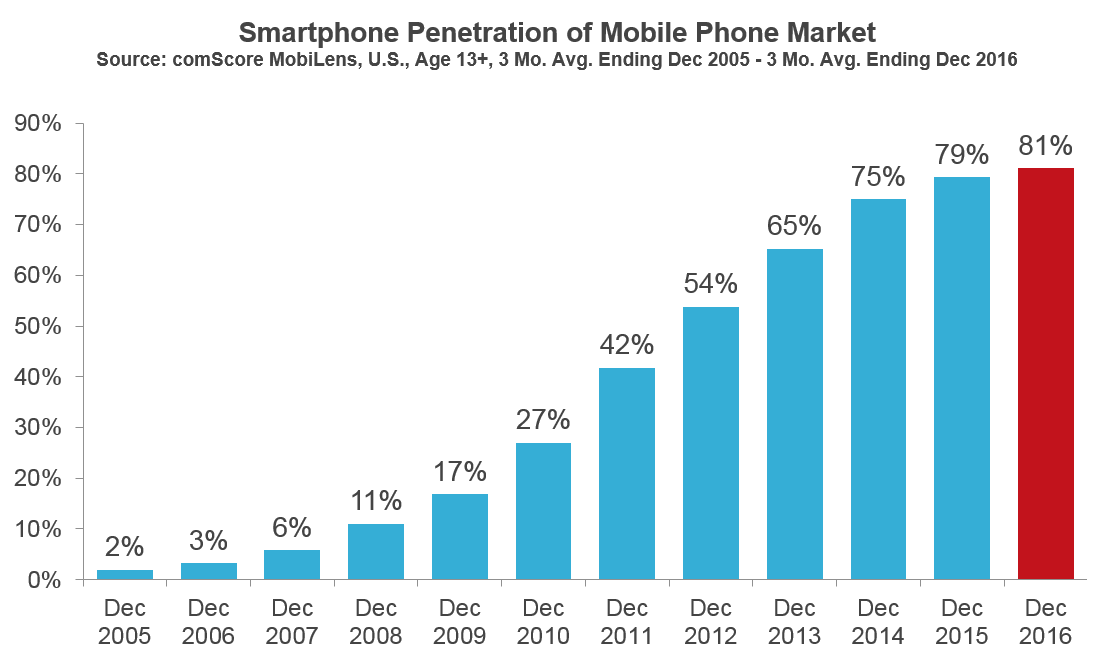
I disagree with this analogy. I personally see it much more like mobile computing in 2005 in terms of tech maturity. The core pieces of the tech are there but the applications haven’t gotten there. The iPhone was 2007 but I don’t think the tech was truly mass ready until the iPhone 4 (and the OG Samsung Galaxy) in 2009/2010. Adoption data somewhat supports this. I draw this analogy because its the closest one I can see to my experience anecdotally. The pace of new tech and innovations feels really similar to me to back in 2005-2011 phase of mobile devices when it was largely hobbyist driving the scene (particularly in Android). It took some time for killer apps (Instagram, Maps, Candy Crush, etc) to saturate the market.
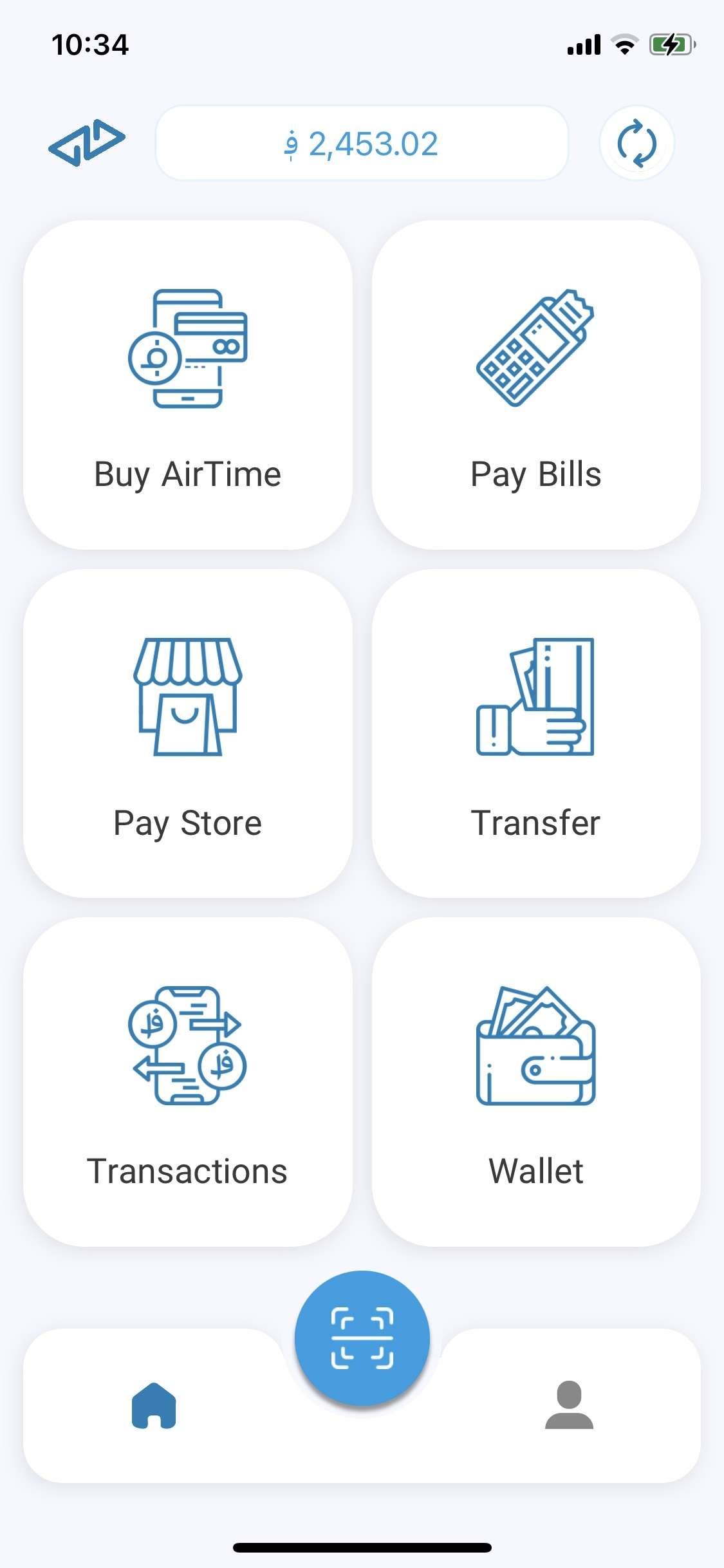
I agree with you here, but I’m of the opinion that real adoption comes when people are using applications they don’t even know are powered by blockchains. I don’t really expect We’re starting to see the first glimmers of that with things like HesabPay. If you look at screenshots of the app, its not obvious that there is any blockchain interaction at all. I’m really excited about the potential of back office banking applications that every day users will never directly interface with like Italy’s “Fideiussioni Digitali”. These kinds of projects have opportunities for large volume but everyday people don’t have to adopt anything.
Similarly a lot of these use cases may not involve everyday users. Dust Identity, a supply chain NFT startup, partnered with Algorand and they have a legit NFT usecase that could scale without everyday users ever touching it. Yet, there are use cases tfor end users that are already starting to grow. Silvio has mentioned TravelX by name and they are already selling NFT plane tickets in Argentina. Again a use case where someone could feasibly use it with minimal understanding or interest in blockchain technology.
I think the Foundation should focus every last penny in their war chest on their core competency using technology to drive simplicity and mass adoption.
In so much as you mean attracting retail investors and everyday users, I disagree. I prefer the focus on developers, enterprise applications, and government use cases. I think these are all areas that will pay off in the long run better than going directly to the masses.
I don’t think that is fair. Sure Algorand wasn’t picked for Starbucks but a lot of exciting partnerships and projects have been announced over the last year building on Algorand, particularly government projects (ex. Nigeria, India & Gates Foundatino, etc. Is there any reason to believe that Inc doesn’t have a sales unit structured that way given that most tech startups do?
Before we bail anyone out we should ask if there’s anyone doing what they do right now on a different chain. If we truly have the best technology in the industry (and I believe we do) then the Foundation and Inc should be on offense hunting rather than playing defense which feels like the relief fund.
I can hear you on that
Again I don’t really agree. I think this is a matter of time horizon but I’m quite happy with where things are given the general macro market. I get the feeling from your post that you want things to happen faster. But moving faster and blitzing the market also introduces its own execution risks. I’m curious why you think the current pace is inadequate to create a long term viable network? are you worried about competitors (who you acknowledge have worse tech) having a first mover advantage or is there something else?