→ xGov proposal 3548330853
→ Previous discussion (very good additional info in the comments!!!)
Why a Resubmission? i) We were evaluated by a xGov committee with half of the members inactive, which made quorum impossible to reach; ii) The note from xGov Council with personal votes was never published, which limited important info for xGovs; iii) We listened the feedback of the community during the discussion of the previous proposal and decided to open-source the repository in advance. These three circumstances encourage us to submit Gramo proposal again. We are fully open to continue discussing in this thread and strongly encourage xGovs to read previous discussion because some of your questions might be already answered before.
The proposal.
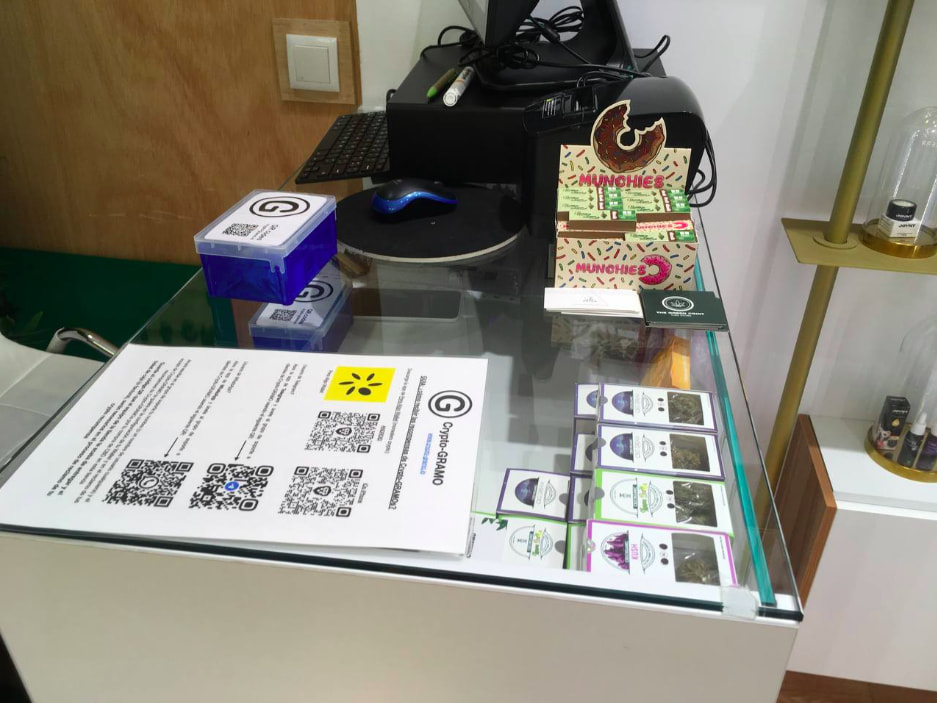
GRAMO (gramo.io) is a blockchain-based loyalty and rewards platform built on Algorand, live in production since 2022. Customers at the three partner retail stores in Madrid, Spain, earn GRAMO tokens by uploading purchase receipts through our web app (app.gramo.io). Tokens are managed through custodial wallets with self-custody withdrawal, bridging Web2 users into the Algorand ecosystem without requiring them to understand crypto or interact with exchanges.
The GRAMO Loyalty Platform includes the following modules in the app: claim submission by uploading cash receipts, token balance management, withdrawal to self-custody wallets, deposit, merchandise redemption, checkout, and order tracking.
The platform currently has ~2,000 registered users, >2,000 on-chain token holders, >7,200 verifiable on-chain rewards-related txs from rewards-distribution project wallets.
What are we proposing?
We are requesting 150,000 ALGO to fully open-source the entire GRAMO application codebase (backend, frontend, and Algorand integration) under MIT license. We listened the feedback of the community during the discussion of the previous proposal and decided to open-source the repository in advance at Gramo GitHub repository.
What the Codebase contains?
The GRAMO platform is a full-stack web application with three years of production hardening, built on Django REST Framework (backend) and React (frontend):
-
Django REST Framework API: RESTful backend handling user registration and JWT authentication (via djoser/simplejwt), claim submission and receipt validation, token accounting, ASA distribution via the Algorand Python SDK (algod), custodial wallet management, and partner store administration. MySQL database. Environment-based configuration via django-environ.
-
React SPA frontend: Single Page Application using React Router v6 with client-side routing, context-based state management (AuthContext, GlobalContext), authentication middleware, and Axios-driven API communication. Full user flows for claim submission, token balance management, withdrawal to self-custody wallets, deposit, merchandise redemption, checkout, and order tracking. Bundled and served through Django.
-
Algorand integration layer: Direct connection to Algorand node via the Python SDK for ASA transfers, wallet generation, balance tracking, and on-chain interaction — designed as a separable, reusable component that other projects can extract and adapt.
-
Database schema and migrations: Complete MySQL data model for loyalty program operations including user accounts, claims, token balances, partner stores, orders, and wallet mappings.
-
Deployment documentation: Environment configuration, setup guide, dependency management, and infrastructure requirements.
GitHub repository: GitHub - CryptoGRAMO/gramo_dashboard_public: Gramo.io dashboard public repository · GitHub
Why this might be important for Algorand builders?
Tokenized loyalty and rewards is one of the most talked-about real-world blockchain use cases. However, there is no open-source, Algorand-native reference implementation for it. Every developer building an ASA-based rewards system starts from scratch, solving the same problems we solved years ago:
-
How do you bridge physical retail purchases to on-chain token distribution?
-
How do you manage custodial wallets for users who don’t know what Algorand is or don’t want to interact with crypto exchanges?
-
How do you handle receipt validation, claim workflows, and token accounting at scale?
-
How do you build the Algorand SDK integration in Django/Python for a production app?
GRAMO answers all of these with working, battle-tested code. Open-sourcing it means the next team building loyalty-on-Algorand doesn’t start from zero, they would fork, adapt, and ship.
It also gives the Python/Django developer community a rare production-grade Algorand reference. The ecosystem is heavily JS/TS-focused. This might broaden the on-ramp to Algorand. Opensourcing the code could also help to position Algorand for AI searches on blockchain applications in the context of Django/React projects or Loyalty Rewards.
Why now?
The Algorand Foundation’s roadmap emphasizes mainstream adoption and real-world use cases. Loyalty programs are exactly this: they connect physical businesses to on-chain activity and bring non-speculative users to Algorand. The platform is mature, stable, and ready for community use. As GRAMO app is now open-sourced, others can build on it.
Some metrics.
| Metric | Value |
|---|---|
| Registered app users | ~2,000 |
| On-chain token holders | 2,007 |
| Total rewards-related on-chain txs | >7,200 txs |
| Operational since | 2022 |
| Active partner stores | 3 (Spain-based CBD/cannabis retail) |
| Open Program | Available to any retail store globally |
About the Team.
The team is multidisciplinary and is composed by six members building on Algorand since 2021. The accumulated professional experience of the team includes more than 20 years experience in the fields of IT engineering, IT security, IT Networking, Biomedical Scientific Research, Marketing and Online Positioning, Risk Analysis of Financial Markets, and Real State Market.
Some links to team info:
- Famous presentation of gramo.io platform by the team in Algorand Decipher 2024: 10 min video.
- Team has been interviewed in person several times by the Algorand Foundation and has established relations with other builders and several important people in the ecosystem.
- Project wallets and team addresses are publicly documented and verifiable on-chain.
We are happy to answer all your questions questions and open to feedback.